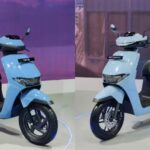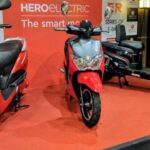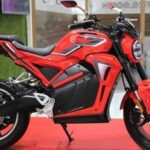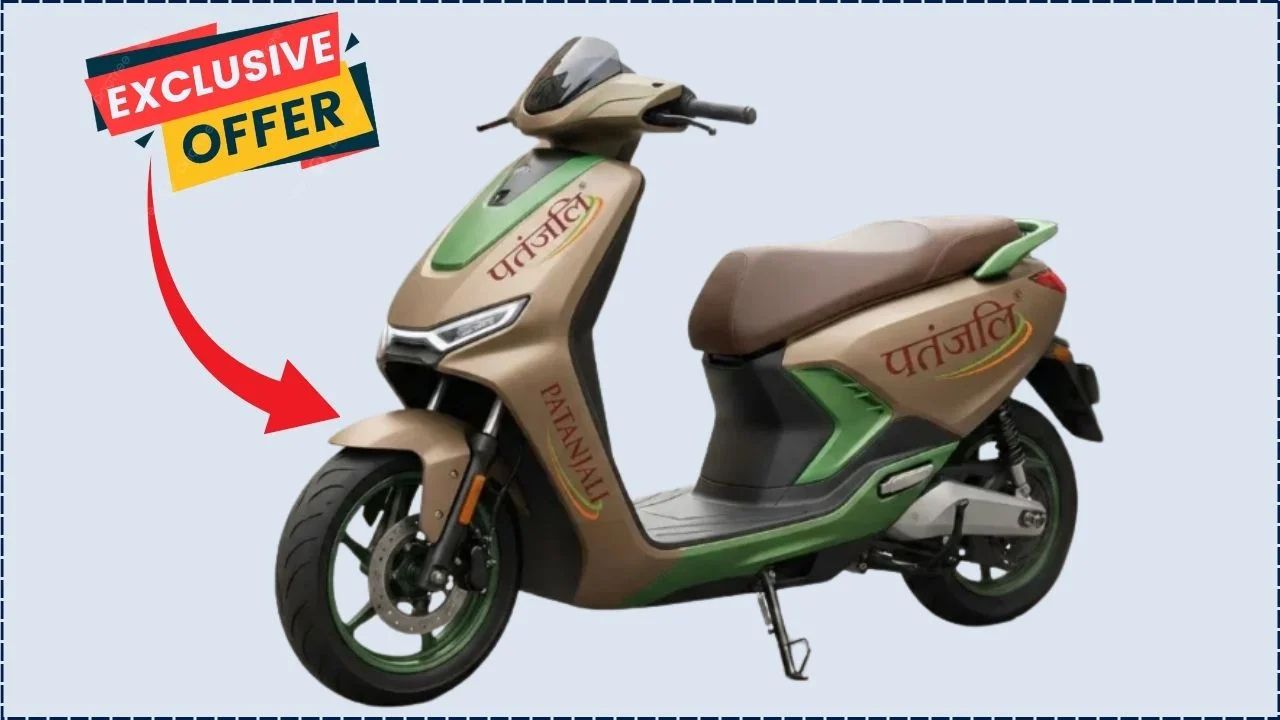
Patanjali Electric Scooty: For millions of Indian commuters, this dream feels closer than ever as news around the Patanjali Electric Scooty continues to spread rapidly. Claimed to offer a 300 km range, an astonishing 125 km/h top speed, and an unbelievable introductory New Year price of just ₹27,999, this electric scooty has triggered excitement, curiosity, and debate all at once.
In a country where affordability often decides mobility choices, Patanjali’s name itself evokes trust among middle-class households. That’s why this announcement feels personal to many people. But what exactly is being promised, and why is everyone talking about it? Let’s explore this potential game-changer in detail, in simple and human-friendly language.
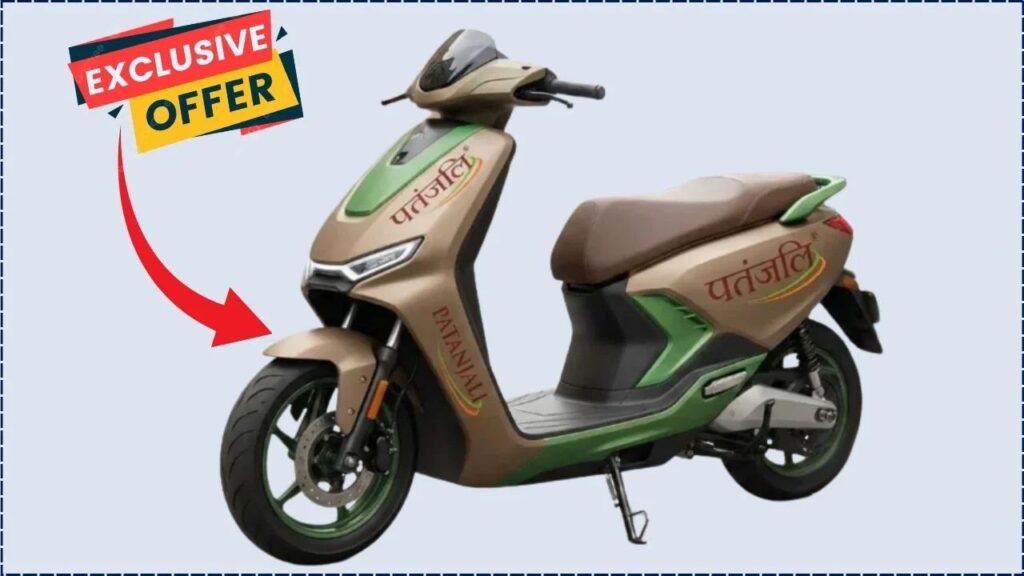
Why the Patanjali Electric Scooty Is Creating So Much Buzz
India’s electric vehicle market is growing fast, but most EVs still remain expensive for the average buyer. Against this backdrop, the Patanjali Electric Scooty is being positioned as a scooter for the common man—one that combines long range, strong performance, and ultra-low cost.
The idea of traveling long distances on a single charge, saving money every day, and contributing to a cleaner environment strikes an emotional chord with daily commuters, students, office workers, and families alike. On paper, the scooty promises what many Indians have been waiting for: electric mobility without financial stress.
Patanjali Electric Scooty at a Glance
Before diving deeper, here’s a quick overview of what is being claimed:
- Product Name: Patanjali Electric Scooty
- Claimed Range: Up to 300 km on a single charge
- Top Speed: 125 km/h
- Introductory Price: ₹27,999 (New Year offer)
- Power Source: Electric battery
- Target Users: Daily commuters, budget buyers, students, families
These numbers alone explain why this scooty is trending across social media and news platforms.
Simple, Practical Design for Everyday India
Unlike premium electric scooters that focus heavily on futuristic looks, the Patanjali Electric Scooty is expected to follow a practical and functional design philosophy. The emphasis seems to be on usability rather than flashy styling.
A lightweight body, comfortable seating position, and easy handling are likely priorities. Such design choices matter a lot in Indian conditions—narrow roads, heavy traffic, and riders of different age groups. From a college student to a senior citizen, the scooty aims to be approachable and easy to ride for everyone.
Durability is another key expectation. Indian roads can be unpredictable, and a sturdy build would be essential for daily commuting and longer rides.
Read more:
The Big Talking Point: 300 Km Claimed Range
The most eye-catching claim about the Patanjali Electric Scooty is undoubtedly its 300 km range on a single charge. This figure is far beyond what most electric scooters currently offer in India, where average ranges usually fall between 80 km and 150 km.
If this claim holds true in real-world conditions, it could completely change how people view electric scooters. Riders would no longer need to worry about charging every day. Even users in semi-urban or rural areas—where charging infrastructure is limited—could confidently adopt electric mobility.
Such a long range is said to be possible through advanced lithium-based battery technology. While official technical details are awaited, the promise itself has already captured national attention.
Performance That Sounds Too Good to Ignore
Another headline-grabbing specification is the claimed top speed of 125 km/h. This puts the Patanjali Electric Scooty in a performance category usually reserved for premium electric two-wheelers.
For daily commuting, most riders may not need such high speeds. However, strong performance often translates into smoother acceleration, better overtaking ability, and more confidence on open roads. For users who occasionally travel on highways or long stretches, this could be a welcome advantage.
Still, real-world performance figures will be crucial to evaluate how practical and safe this speed is in everyday riding conditions.
Charging, Maintenance, and Running Costs
One of the biggest emotional advantages of owning an electric scooty is the low running cost. Charging an electric vehicle costs significantly less than refueling a petrol scooter. Over months and years, these savings can make a noticeable difference in household expenses.
While exact charging time details for the Patanjali Electric Scooty are not clearly specified yet, it is expected to support standard electric charging methods. Additionally, electric vehicles generally require less maintenance because they have fewer moving parts—no engine oil, no clutch, and fewer mechanical components to wear out.
For a price-sensitive market like India, these long-term savings matter just as much as the upfront cost.
₹27,999 Price: The Biggest Shock Factor
The introductory New Year price of ₹27,999 is what truly sets the Patanjali Electric Scooty apart. At this price point, it undercuts not only electric scooters but even many petrol-powered two-wheelers.
This aggressive pricing strategy appears aimed at mass adoption, especially among first-time EV buyers. Students, low-income families, and small-town users—who may have hesitated to switch to electric due to high costs—suddenly see a possible entry point.
However, such a low price also raises questions, making it essential for buyers to wait for official confirmations and detailed disclosures.
How It Stacks Up Against Other Electric Scooters
Compared to most electric scooters currently available in India, the Patanjali Electric Scooty looks revolutionary on paper. Competitors generally offer:
- Higher prices
- Shorter ranges
- Lower top speeds
The combination of long range + high speed + ultra-low price is what makes this scooty unique and controversial at the same time.
That said, factors like after-sales service, warranty coverage, spare parts availability, and real-world reliability will play a huge role in determining its success.
Who Is This Scooty Really For?
The Patanjali Electric Scooty is clearly aimed at a broad audience:
- Students looking for affordable daily transport
- Office commuters wanting to cut fuel expenses
- Families needing a reliable errand vehicle
- Rural and semi-urban users who need longer range
If the promises are delivered, this scooty could become a powerful tool in accelerating India’s shift toward electric mobility—especially among price-conscious consumers.
Availability and What Buyers Should Do Next
As of now, the scooty is being promoted mainly through online discussions and reference articles. Official details regarding bookings, deliveries, and dealership availability are still awaited.
Potential buyers are strongly advised to:
- Follow official announcements only
- Avoid making payments through unofficial sources
- Wait for verified specifications and test ride reviews
Patience at this stage can save money and prevent disappointment later.
Final Thoughts: Hope, Hype, and Reality
The Patanjali Electric Scooty represents hope for affordable, clean, and accessible transportation in India. A 300 km range, 125 km/h top speed, and ₹27,999 price sound almost unreal—but that’s exactly why the nation is paying attention.
If even a major part of these claims turns out to be true, this scooty could redefine what budget electric mobility means in India. Until then, cautious optimism is the smartest approach.