The Vw Tiguan Tyre Pressure has brought fresh excitement among SUV lovers. With its bold styling, advanced safety features, improved performance, and premium interiors, the Volkswagen Tiguan continues to be one of the most trusted SUVs in its segment.
However, no matter how advanced a vehicle is, one simple factor plays a huge role in how it performs on the road —
Many owners overlook tyre pressure, assuming it’s a minor detail. In reality, correct tyre pressure directly affects safety, fuel efficiency, ride comfort, and tyre life. Whether you own the latest Tiguan or an older model, maintaining the correct tyre pressure is essential for a smooth and safe driving experience.
This easy-to-read guide explains everything you need to know about VW Tiguan tyre pressure, from recommended values to checking tips, seasonal changes, and common mistakes.
What Is VW Tiguan Tyre Pressure?
Tyre pressure refers to the amount of air inside your tyres. It is measured in:
- PSI (Pounds per Square Inch)
- Bar
Volkswagen engineers calculate the ideal VW Tiguan tyre pressure to ensure:
- Maximum road grip
- Balanced handling
- Comfortable ride quality
- Optimal fuel efficiency
Incorrect pressure can affect how your Tiguan drives, stops, and even turns.
Why Correct VW Tiguan Tyre Pressure Is Important
Maintaining the right tyre pressure is not just about comfort. It impacts several key areas:
- Safety: Better braking and control
- Fuel efficiency: Lower rolling resistance
- Tyre lifespan: Even tread wear
- Ride comfort: Smooth and stable driving
Because the VW Tiguan is a heavier SUV, incorrect tyre pressure can have a bigger impact compared to smaller cars.
Recommended VW Tiguan Tyre Pressure (Standard Use)
Normal Driving Conditions
For daily city driving or short trips with light load:
- Front tyres: 2.2–2.3 bar (32–33 PSI)
- Rear tyres: 2.0–2.1 bar (29–30 PSI)
This setting offers a good balance of comfort and efficiency.
Fully Loaded VW Tiguan
When driving with passengers and luggage:
- Front tyres: 2.5 bar (36 PSI)
- Rear tyres: 2.7–2.8 bar (39–41 PSI)
Higher pressure helps the tyres handle extra weight safely.
Highway or Long-Distance Driving
For continuous high-speed driving:
- Front tyres: 2.4–2.5 bar (35–36 PSI)
- Rear tyres: 2.4–2.5 bar (35–36 PSI)
This improves stability and fuel economy on highways.
Read more;
Fortuner Alloy Wheels with New Tech Design – How Much Mileage & Performance Do You Really Gain?
VW Tiguan Tyre Pressure by Wheel Size
Different variants of the Tiguan come with different wheel sizes. Tyre pressure may vary slightly.
Common Wheel Options
- 17-inch wheels
- Softer ride
- Slightly lower pressure
- Ideal for city use
- 18-inch wheels
- Balanced comfort and handling
- Common on mid variants
- 19-inch / 20-inch wheels
- Sporty look and sharp handling
- More sensitive to incorrect tyre pressure
Always follow the tyre pressure mentioned on your vehicle’s information label.
Where to Find Exact VW Tiguan Tyre Pressure
Volkswagen provides official tyre pressure information in multiple locations:
- Driver-side door frame sticker
- Owner’s manual
- Fuel filler cap (select models)
These labels show pressure values for different loads and tyre sizes and are the most accurate reference.
How to Check VW Tiguan Tyre Pressure Correctly
Checking tyre pressure is simple and takes only a few minutes.
Step-by-Step Method
- Check tyres when they are cold
- Use a digital or manual tyre pressure gauge
- Remove the valve cap
- Measure the pressure
- Compare with recommended VW Tiguan tyre pressure
- Inflate or deflate as needed
- Refit the valve cap
How Often Should You Check?
- Once every month
- Before long road trips
- During seasonal weather changes
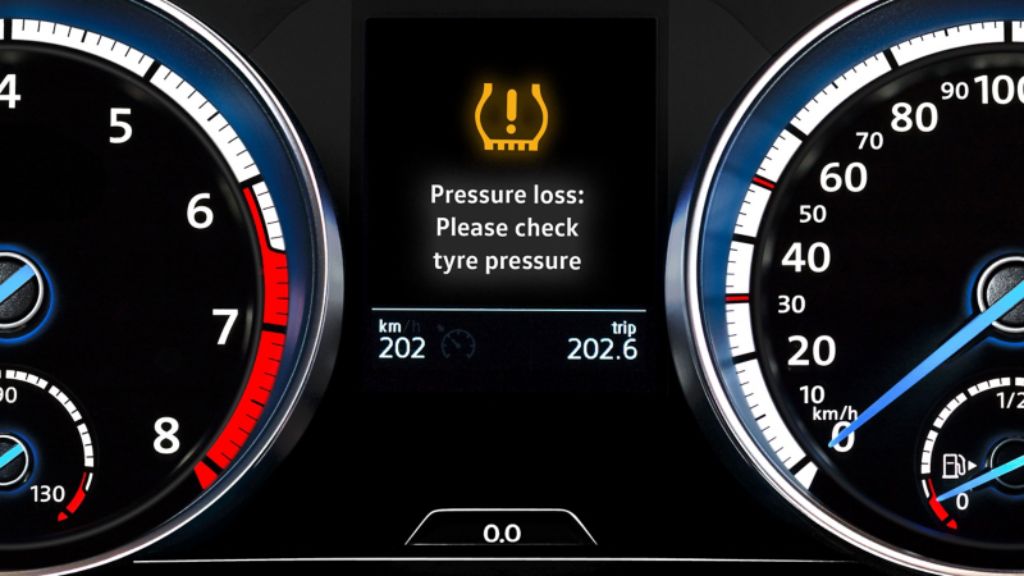
VW Tiguan Tyre Pressure Monitoring System (TPMS)
Most modern VW Tiguan models come with TPMS.
What TPMS Does
- Detects low tyre pressure
- Alerts the driver through the dashboard
Resetting TPMS
After adjusting tyre pressure:
- Turn on the ignition
- Open vehicle settings
- Select tyre pressure
- Press “Set” or “Reset”
This updates the system with the new pressure values.
Effects of Incorrect VW Tiguan Tyre Pressure
Under-Inflated Tyres
- Increased fuel consumption
- Poor steering response
- Longer braking distance
- Faster tyre wear on edges
Over-Inflated Tyres
- Hard and uncomfortable ride
- Reduced grip on wet roads
- Uneven wear in the center
- Higher risk of tyre damage on bumps
Correct VW Tiguan tyre pressure prevents all these problems.
Seasonal Impact on VW Tiguan Tyre Pressure
Summer Season
- Heat causes air to expand
- Pressure may rise after driving
- Always measure tyres when cold
Winter Season
- Cold weather reduces air pressure
- Tyres may lose pressure faster
- Regular checks are essential
Seasonal changes make regular monitoring even more important.
VW Tiguan Tyre Pressure and Fuel Efficiency
Even a small drop in tyre pressure can reduce fuel efficiency by up to 5%.
Correct tyre pressure helps:
- Reduce rolling resistance
- Improve mileage
- Lower fuel costs over time
Maintaining proper VW Tiguan tyre pressure is one of the easiest ways to save fuel.
Tyre Maintenance Tips for VW Tiguan Owners
To get the best performance from your tyres:
- Maintain correct tyre pressure
- Rotate tyres every 8,000–10,000 km
- Check wheel alignment regularly
- Inspect tyres for damage or uneven wear
Good maintenance works hand-in-hand with proper pressure.
Common Myths About VW Tiguan Tyre Pressure
“More Air Means Better Performance”
Not always. Over-inflation reduces grip and comfort.
“TPMS Replaces Manual Checks”
TPMS is only a warning system. Manual checks are still necessary.
Final Verdict: VW Tiguan Tyre Pressure Made Simple
The new VW Tiguan is packed with modern technology, but its performance still depends on basic maintenance. VW Tiguan tyre pressure plays a crucial role in safety, comfort, fuel efficiency, and tyre life.
By checking tyre pressure regularly, following manufacturer recommendations, and adjusting for load and seasons, you ensure that your Tiguan delivers the smooth, confident, and efficient drive it was designed for.